
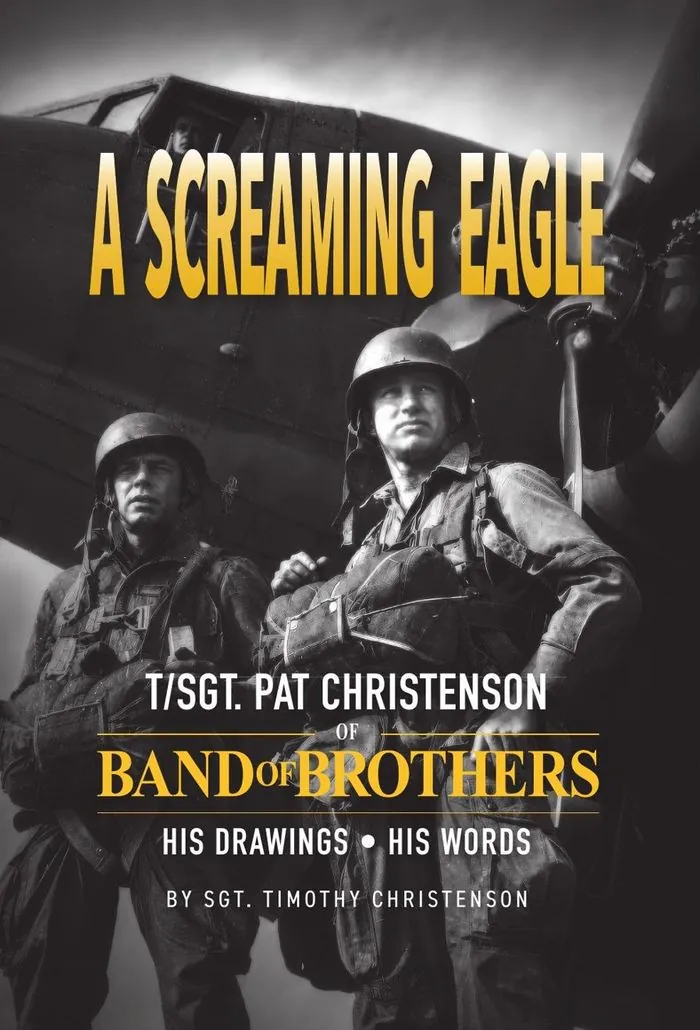
Band of Brothers, 25th Anniversary Edition
Who knew that the kid in the middle would jump into Normandy to help save the world?
He grew up to be T/Sgt. Pat Christenson of Easy Company, second man out the door behind Dick Winters, and the only man in the company who could draw. His memoir and all 46 combat drawings, in one book signed by the author, his son Tim.
- Signed by the author, Pat's son Tim
- Shipped by the family
- All 46 combat drawings
- His own words, seven volumes
“Superb sketches and drawings by a member of the company are obviously almost priceless.”Stephen Ambrose, author of Band of Brothers, in a letter to Pat, 1990
The 25th Anniversary Editions
Every edition includes the signed 379-page hardcover with all 46 drawings. The collector editions add his Limited Edition Fine Art Prints, regularly $99 each, signed by the author and numbered, at special 25th Anniversary pricing.
Ultimate Collector's Package
- Signed 379-page hardcover
- $39.99
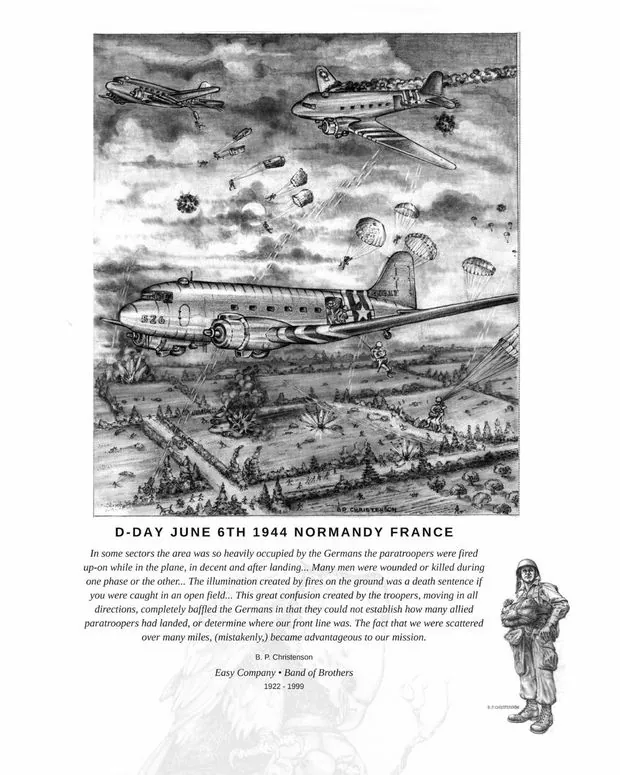
- D-Day Fine Art Print, 16×20, signed & numbered
- $99
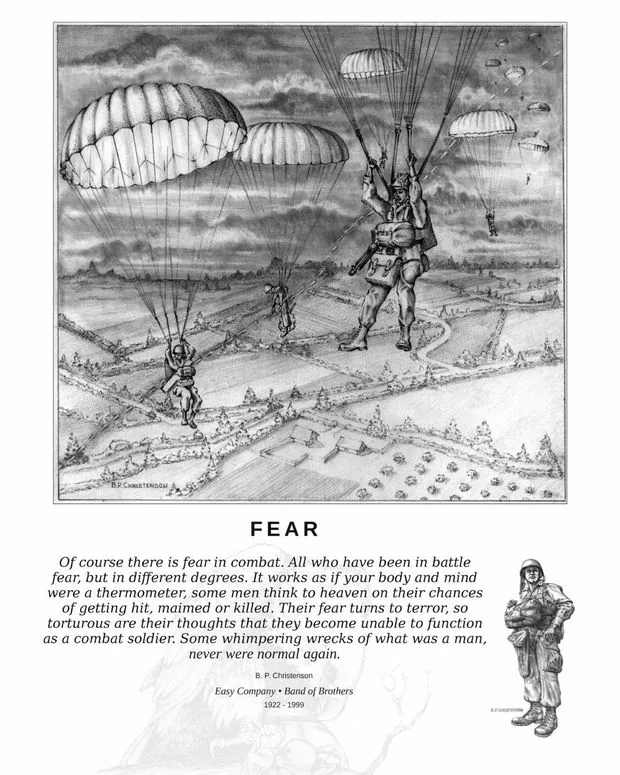
- Fear Fine Art Print, 16×20, signed & numbered
- $99
- Certificate of Authenticity
- Included
- Total value
$237.99
The gift for the Band of Brothers fan in your family
25th Anniversary Collection
- Signed 379-page hardcover
- $39.99
- D-Day Fine Art Print, 16×20, signed & numbered
- $99
- Certificate of Authenticity
- Included
- Total value
$138.99
Ships flat, ready to frame
Signed Hardcover
- Signed 379-page hardcover
- $39.99
- All 46 combat drawings
- ✓
- Pat's memoir in his own words
- ✓
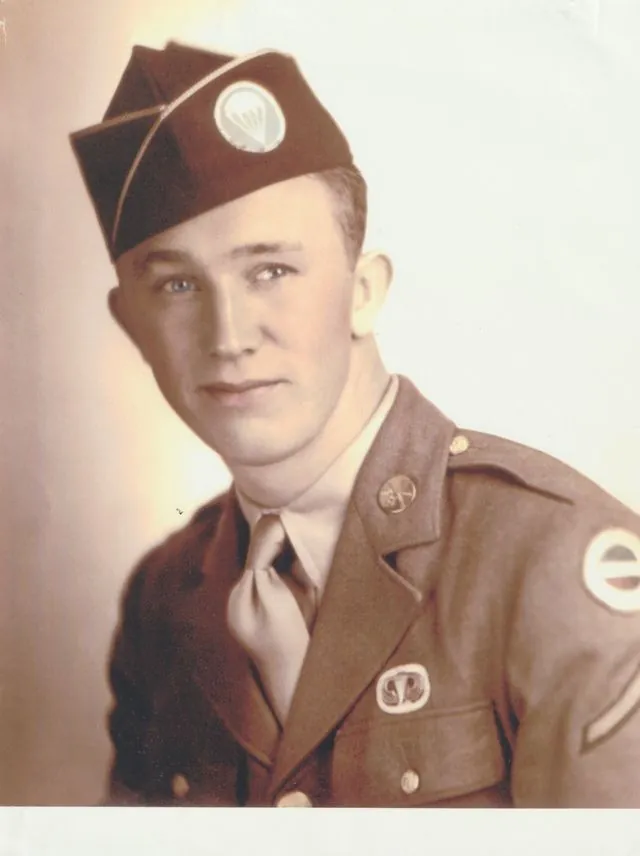
Twelve years after that photo, he volunteered for the paratroopers.
He walked into a recruiter's office on his lunch break in 1942. At Toccoa he had the highest physical fitness score in Easy Company. On the night of June 5, 1944, he stood in the door of the plane right behind Dick Winters.
I wanted my best, most dependable man right behind me, the number two man, and that was Pat again.Major Dick Winters, letter to the family, December 16, 1999
You have probably already seen this drawing.
Stephen Ambrose ran Pat's D-Day drawing as a full page in the original Band of Brothers. Most people who saw it never learned whose hand made it. He drew it from memory, years after the war: Plane 526, the C-47 that carried him and the men of Easy Company into Normandy, with the flak and the sticks of paratroopers coming down over the hedgerows.
25th Anniversary Collection
The signed book and the D-Day drawing as a 16×20 Limited Edition Fine Art Print, signed by the author and numbered, with a Certificate of Authenticity. The 25th Anniversary release: when the first 500 are gone, this edition closes.
Just the book? Buy the signed hardcover for $39.99
About the print
- Original
- Pencil drawing by T/Sgt. Pat Christenson
- Limited edition fine art print on premium paper, matte finish
- Edition
- 25th Anniversary release, limited to the first 500, each numbered
- Provenance
- Certificate of Authenticity
- Shipping
- Ships flat, ready to frame
The men who wrote the story said it first.
Superb sketches and drawings by a member of the company are obviously almost priceless.
Stephen Ambrose, author of Band of Brothers, letter to Pat, 1990For Pat Christenson, with thanks for the invaluable written, oral and artistic help.
Stephen Ambrose, inscription in Pat's copy of Band of Brothers, 1992There would be no book or miniseries without the sacrifices made by your father and the other men in the 506th.
Stephen Ambrose, to the Christenson familyDick Winters kept eighteen of his drawings in his personal file and sent them to Playtone as reference for the writers of the HBO series.
From the bookForty-six drawings, finished from memory.
Normandy, Holland, Bastogne, Germany. Every drawing is in the book, with Pat's own captions.
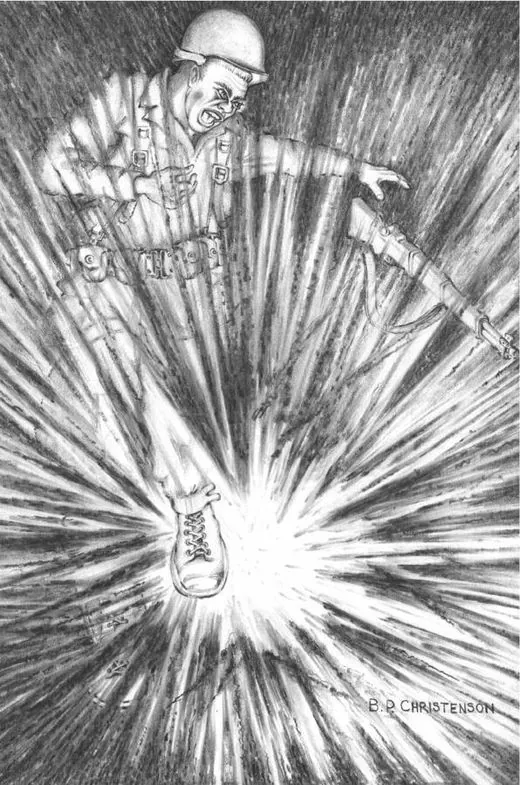
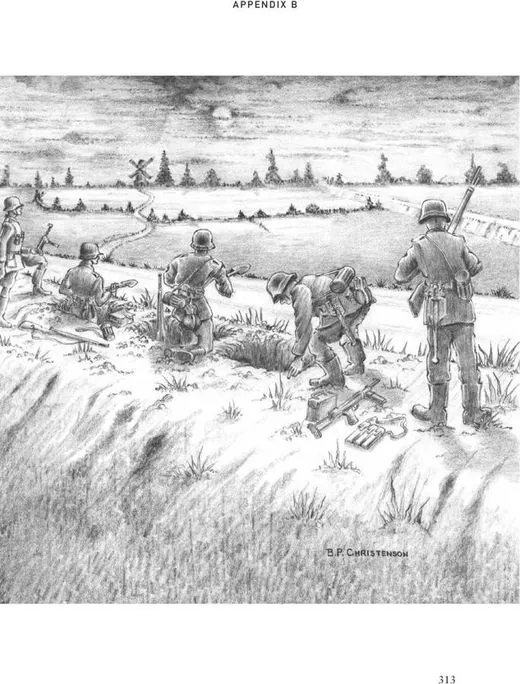
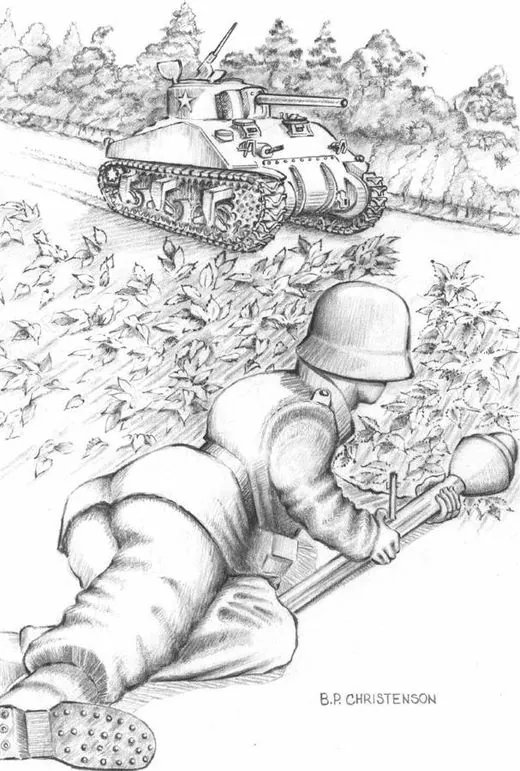
Pat came back to two drawings more than any others.
D-Day, and Fear. The Ultimate Collector's Package is the only way to own them as a matching pair, both signed by the author and numbered, with the signed book.
Guard those paintings. Their true value will be realized by collectors of war memorabilia all over the world.Major Dick Winters, commander of Easy Company, to Pat
Ultimate Collector's Package
The signed book with the D-Day and Fear Limited Edition Fine Art Prints, both 16×20, signed by the author and numbered, with a Certificate of Authenticity. The 25th Anniversary release: when the first 500 are gone, this edition closes.
Book $39.99 + two prints at $99 each = $237.99 value. Yours for $139.
Buy the Collector's Package · $139 · Save $98.99Or the book and one print: Anniversary Collection, $99 (save $39.99)
About the prints
- Original
- Pencil drawing by T/Sgt. Pat Christenson
- Limited edition fine art print on premium paper, matte finish
- Edition
- 25th Anniversary release, limited to the first 500, each numbered
- Provenance
- Certificate of Authenticity
- Shipping
- Ships flat, ready to frame
Rated 5.0 on Amazon and Goodreads
Every reader who has rated it gave it five stars.
This book is not only beautiful, with wonderfully detailed drawings... The writing is exceptional, both by T/Sgt. Christenson and his son. Together with the book "Band of Brothers" by Stephen Ambrose and the 25th anniversary of the show, this book fits perfectly.
This book is worth it for the illustrations alone. As someone who has all the books about/by the members of Easy Company, this is a great addition to my Band of Brothers collection.
You cannot miss this book as a fan of "Band of Brothers." You'll read Christenson's own words, see many of his own drawings for the first time and see his own war letters he sent back home.
Fast shipping and crisp printing, good binding. I got this as a gift for my father for Christmas who is a history buff and especially interested in this era.
As a Band of Brothers fan this book was very enlightening. It filled in the gaps that the movie didn't provide. The artwork captured the reality of his journey from Toccoa to Hitler's eagles nest.
Any fan of the TV series Band of Brothers that wants a deep dive into the real history of Easy Company will love this. I can't recommend this book highly enough!
Choose your 25th Anniversary Edition
Ultimate Collector's Package
- Signed 379-page hardcover
- $39.99
- D-Day Fine Art Print, 16×20, signed & numbered
- $99
- Fear Fine Art Print, 16×20, signed & numbered
- $99
- Certificate of Authenticity
- Included
- Total value
$237.99
The gift for the Band of Brothers fan in your family
25th Anniversary Collection
- Signed 379-page hardcover
- $39.99
- D-Day Fine Art Print, 16×20, signed & numbered
- $99
- Certificate of Authenticity
- Included
- Total value
$138.99
Ships flat, ready to frame
Signed Hardcover
- Signed 379-page hardcover
- $39.99
- All 46 combat drawings
- ✓
- Pat's memoir in his own words
- ✓
The 25th Anniversary Editions
Every edition includes the signed 379-page hardcover with all 46 drawings. The collector editions add his Limited Edition Fine Art Prints, signed by the author and numbered.
Ultimate Collector's Package
- Signed 379-page hardcover
- $39.99
- D-Day Fine Art Print, 16×20, signed & numbered
- $99
- Fear Fine Art Print, 16×20, signed & numbered
- $99
- Certificate of Authenticity
- Included
- Total value
$237.99
The gift for the Band of Brothers fan in your family
25th Anniversary Collection
- Signed 379-page hardcover
- $39.99
- D-Day Fine Art Print, 16×20, signed & numbered
- $99
- Certificate of Authenticity
- Included
- Total value
$138.99
Ships flat, ready to frame
Signed Hardcover
- Signed 379-page hardcover
- $39.99
- All 46 combat drawings
- ✓
- Pat's memoir in his own words
- ✓
Guard those paintings. Their true value will be realized by collectors of war memorabilia all over the world.Major Dick Winters, commander of Easy Company, to Pat